
Digital Cover: Charlotte Day Wilson
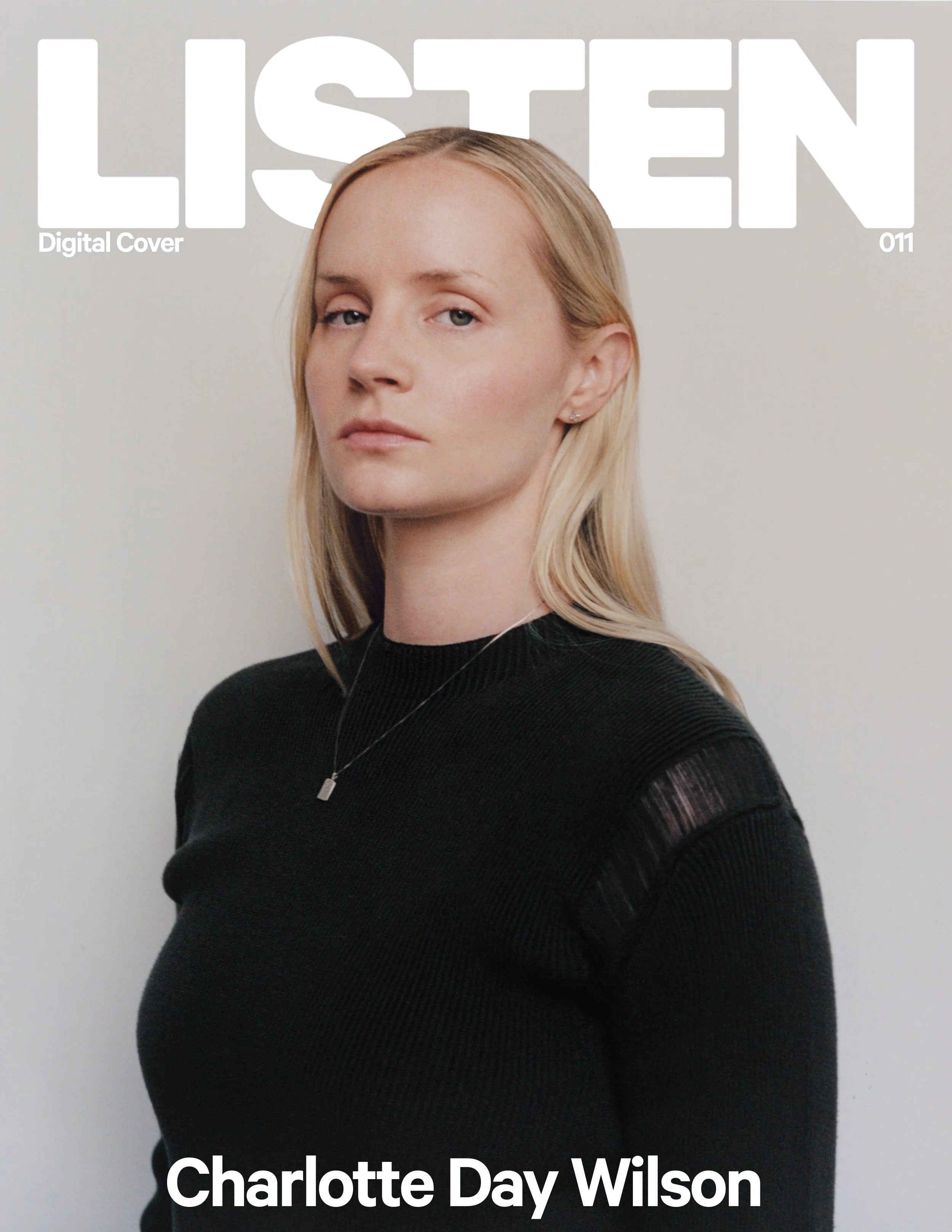
Photographer: Devon Corman
Charlotte Day Wilson is not new to this; she’s true to this.
In the mid-2010s, the city of Toronto pioneered a class of artists who introduced us to the modern, blues-inspired R&B/Soul sound that has adequately become the subgenre’s blueprint. Among those important artists was Charlotte Day Wilson, coming to prominence independently and leaving a permanent mark with her classically trained, sharp-skilled craft. After ten years of releasing highly acclaimed music, performing on prestigious stages, and receiving top honors, including a GRAMMY nomination, Day Wilson is getting back to herself in a much more liberating way through her newest EP, Patchwork.
Fully self-produced, written, and engineered, Patchwork is a remedy for listener fatigue and a gift to music enthusiasts in all the essential ways. From Day Wilson’s signature soulful touch in songs like “High Road” and “If Only,” to a more freewheeling, night-out playlist contender, “Selfish,” the record weaves through these strikingly different tones in the most seamless manner. Composed of demos that weren’t supposed to be heard by a larger audience, Patchwork is the perfectly timed project that gave Day Wilson and her avid listeners encouragement and joy, which only comes from things that are unexpected yet remarkable. A month after the EP’s release, Day Wilson connected with us to discuss the past ten years in the music industry, her creative process, and being completely self-sufficient on Patchwork.
Congrats on the EP! How are you feeling about the project now that it has been out for the world to listen to and resonate with?
I feel great about it. I always feel quite patient with the process because, you know, there is like the initial release and everyone gets excited about it in that first moment. But I think what really matters is how people connect with it over time. That’s how I consume music; I do not listen to things right when they come out. I’m almost anti-doing that. For me, as a consumer of music and also as a creator, I think people find the music when they’re meant to, like in a kind of spiritual way, you’ll be called to it in the right moment when you’re open to receive it.
You released your first ever EP, CDW, back in 2016. Ten years later, we have Patchwork. What would you say is the biggest difference between Charlotte in 2016 and Charlotte in 2026?
You know what’s funny is that I actually don’t think there’s a huge difference in like, a beautiful way, because I think I veered off of my own kind of internal track a lot over the past 10 years. And I think more so, what happened recently is that I found my way back to who I was as a person and as an artist before my career kind of took off, so I feel very connected to myself in that way and also connected to the music that I’m making at this time.
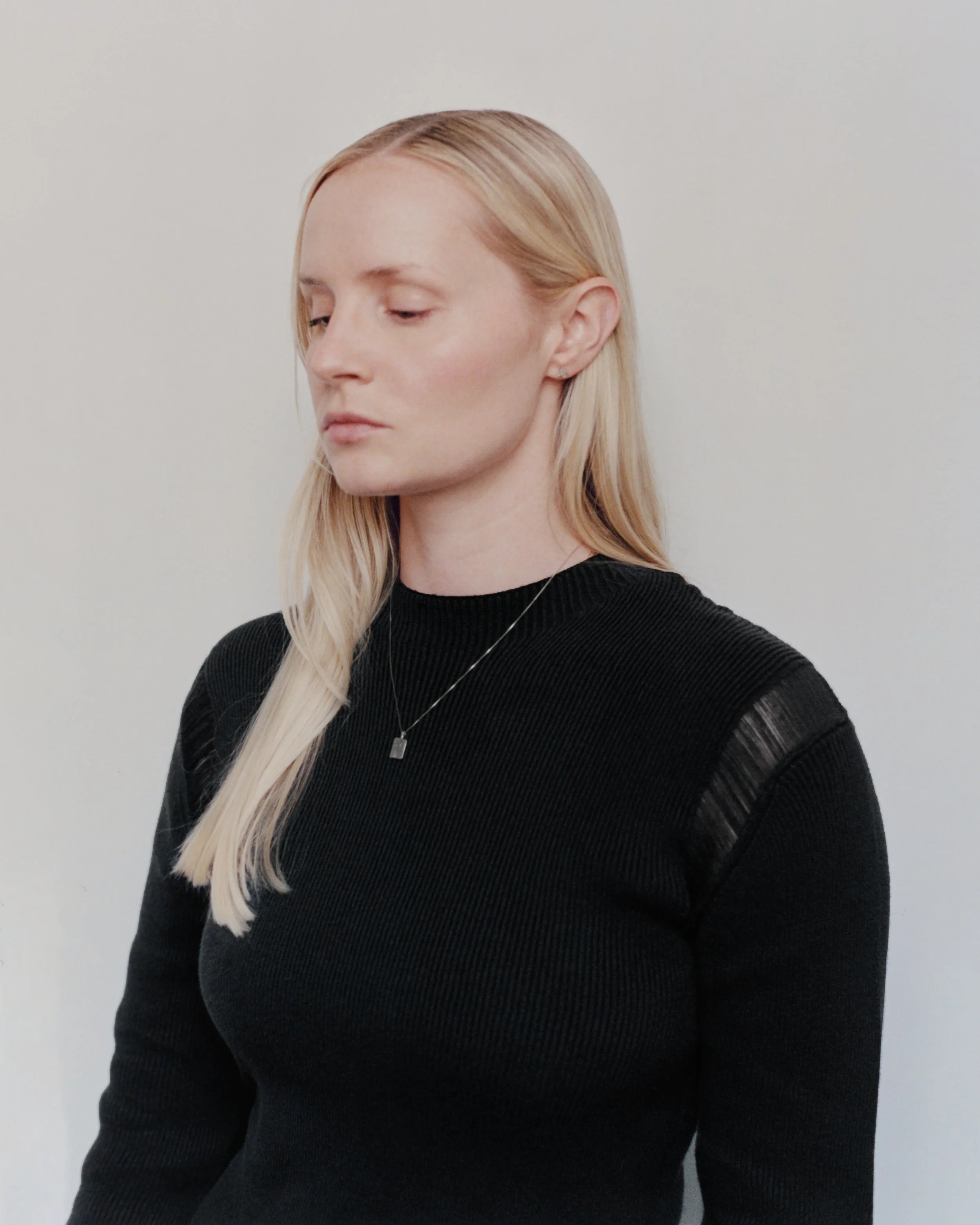
Photographer: Devon Corman
Was your mindset always to stay true to yourself as much as you can?
No, not always. I think I definitely experimented and let my ego take me for a ride in a few parts of my career. Then also did the antithesis to that, which was to operate out of a place of extreme self-doubt. It was also just the time, my age - being in my early and mid 20s while my career was taking off, just figuring out who I was as a person, while struggling with quite a significant life change. But I did try to make sure that no matter what I was going through, personally or internally, I was still staying true in the music, and I did achieve that, so I’m grateful for that.
Being from Toronto, you came up during a very prominent and defining era of your city’s music scene, along with other great artists. How formative was that culture and community for you at that time, and does it still inspire you now?
I would say yeah, it’s basically inescapable. And also in terms of who I am as an artist: my city and the people that I was surrounded with at the beginning of my career, I feel very grateful that I found a community at that time that was musically like-minded and just good people. I would say now I feel less influenced by it; I almost think that the world itself has evolved. Obviously, we’ve globalized even more as a society through social media, and it’s interesting. You can feel isolated and alone in your own house, yet still feel so connected to every other part of the world. Maybe with the combination of me travelling a lot and meeting people and exploring different sounds, plus I’m like everyone else, connected online, so I feel less influenced by Toronto per se. Although it’s always part of what I do and I will always live here and work here. And you know, some of my go-to collaborators are still here.
Speaking of, you’ve made some amazing music with some of your frequent collaborators. And specifically on this project, you’ve collaborated heavily with Saya Gray. Do you feel a different creative connection with artists from your city?
Yeah, I feel very uninspired to connect with people whom I have no real-world connection to, musically. I don’t really desire that in any way at this moment of time, at least. I’m sure I’ll open back up to going to LA and meeting a producer that someone thinks I should work with, but at this current point of time, I feel self-sufficient as a songwriter, as a producer, and engineer, and all those things. So if I’m going to let someone in on my process, I think I need to trust them a lot to know that they’re not just trying to insert themselves just to get some points on the master. I feel very protective over not just my art, but the business around my art. That’s where I’m at right now but it always changes.
And what was it like working with Saya on Patchwork?
Saya is an absolute wizard. She’s an incredible producer, songwriter, melodically, lyrically, she’s just the full package. And I really really enjoy working with people like that because songwriting is such an elusive process. You can be working on trying to write a chord progression, and that’s what you’re doing in the collaborative process at that moment, but maybe what the process is actually calling for is just a kick drum to change up the rhythm a little bit. Or like this amazing melody just came to my mind, or a lyric or word that’s been floating around in my head. If you can have all of those abilities, that’s how I work as well. It all happens in tandem; the writing, producing, and engineering, it all informs each other, so I prefer working with people who are also jacks of all trades. Working with Saya is very stimulating because she can do everything. And she’s also a good friend and hilarious and I enjoy spending time with her.
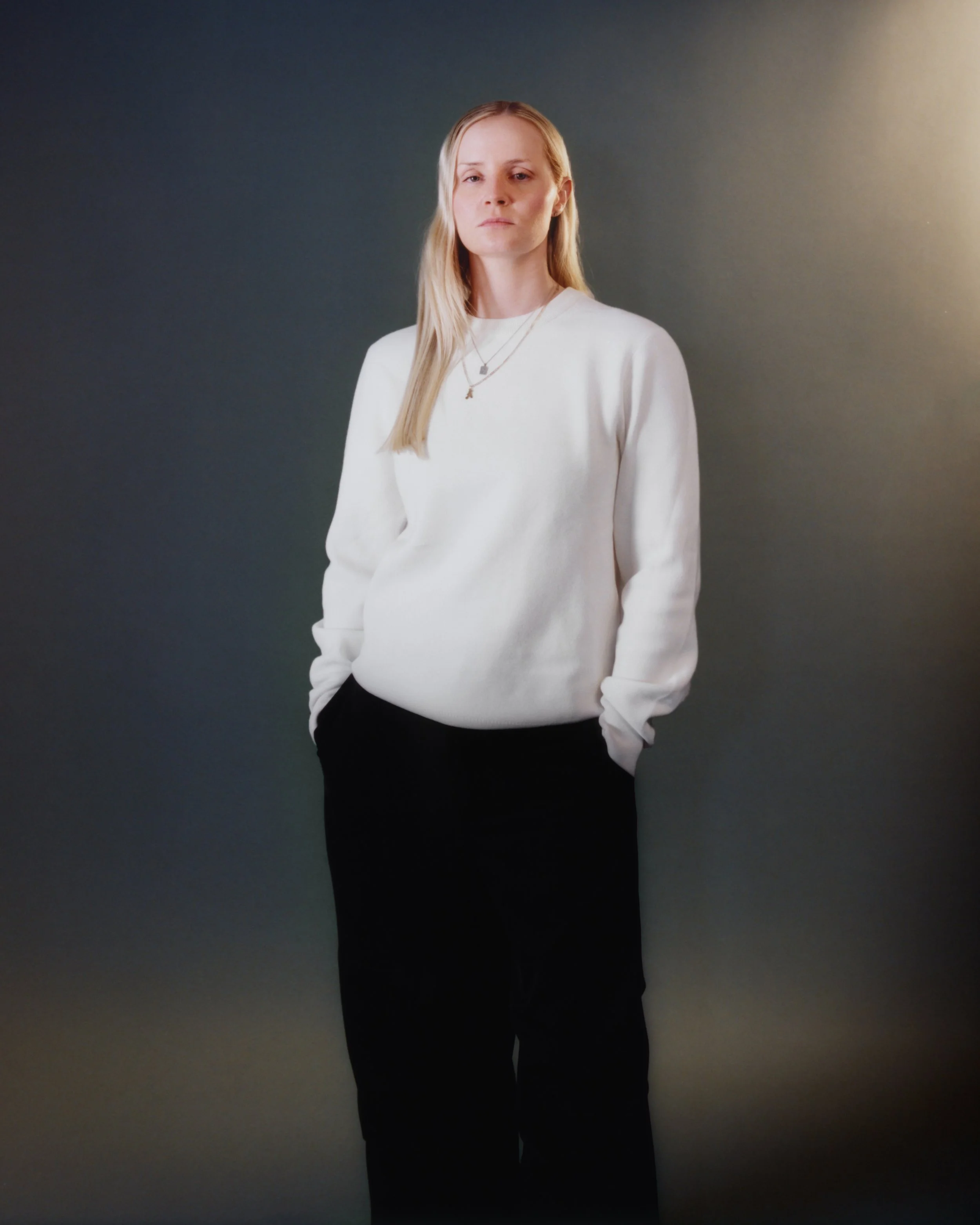
Photographer: Devon Corman
You’ve mentioned that Patchwork wasn’t always in the plans, you were debating on other options, and you’ve been an album artist for the past few years. What made you want to go in this direction?
I was basically in between projects, and I had just been writing songs and creating little demos, like every artist that we all listen to, there’s 1000 songs that never make it out of the hard drive. For me, I was just in one of those places where I was like, I’m making things, but I'm not trying to put them out, not make a project out of anything. But I would show my partner the songs, I would show some of my close people, and I think just seeing the reaction and feedback, and then also, there was a little bit of a gap between my last project and my next full-length album. I thought I might as well just throw this out. I didn’t feel pressure about how the release would go, which is a really liberating feeling and kind of informs how you work on the music itself.
On songs like “Selfish,” we see you make more upbeat and experimental choices. How important is it for you to keep that freshness within your established sound?
It’s really important because I listen to all types of music. I think I know what the core of my artistry is, I know what's at the heart of my own self-expression, I know how that feels when I express it accurately. But there’s also this other whole world of influences that I have that, when I can incorporate it into the core of who I am as an artist, it feels very satisfying. It helps people understand the range that I have in terms of what I actually listen to and consume. I’ve been studying the greats of music my whole life, and when you’ve been a student of music, you end up on the B-side, you end up in more experimental phases of artists’ careers that kind of excite you. For me, that’s also an influence for more experimental things and uptempo things. I love house music; most of my friends are DJs, so I’m around that culture of being in the club, queer culture, party culture. I love to see how music impacts people in different spaces.
That’s the goal, right? To make things you actually can listen to and enjoy?
Yeah, for sure, but it’s weird. You find yourself sometimes making things that feel like a pure form of self-expression, but then if you try and take a step back and look at it objectively, you’re like, ‘Would I listen to this?’ I almost think it’s dangerous sometimes because you don’t really want to be thinking about how the music is going to be perceived while you’re making it. It’s a less honest form of creation, in my opinion, so you kind of have to divorce the idea of perception at all. Whether it’s how you perceive your own music or others, it’s interesting.
What’s something that you learned about yourself while making this project?
I’m still a good producer. I was still dealing with some imposter syndrome around my production abilities over the past 4 years. Self-producing and getting back to just playing most of the things you hear on the record and engineering it myself, just proved to myself I can still do it.
You’re new to business owning, and you own your sandwich shop. How has that impacted your life and career?
Being in the music industry for 10 years and sustaining a career and making good money to support me and my family and own properties, it requires so much business acumen that you just have to learn along the way. I feel very proud of the decisions that I’ve made as a business person along the way. I feel not new to business owning, but sandwich business owning, yes. Completely different thing, and I don’t know if it collides with my music, but what it does is it takes my mind off of myself. There’s just so much focus on you all the time as an artist, your conversations with your team, when you’re on tour, just everything is centered around you. And I’m not someone who loves that attention all the time, and I think it’s healthy to get outside of yourself, and I love the sandwich shop because it means we’re taking care of other people. I enjoy taking care of our customers, and I also enjoy taking care of my business partners.
What are you listening to lately?
I keep going back to Lynda Dawn, I think her music is very underrated. Björk, “The Blessing Song” by Michael White, also a beautiful song.